


Programs and Services
Specialty Services
Optometry Services
Our clinic has a team of experienced eye care professionals who are well adept in delivering top quality optometry services for all age groups. These services range from vision screening to comprehensive eye exams.
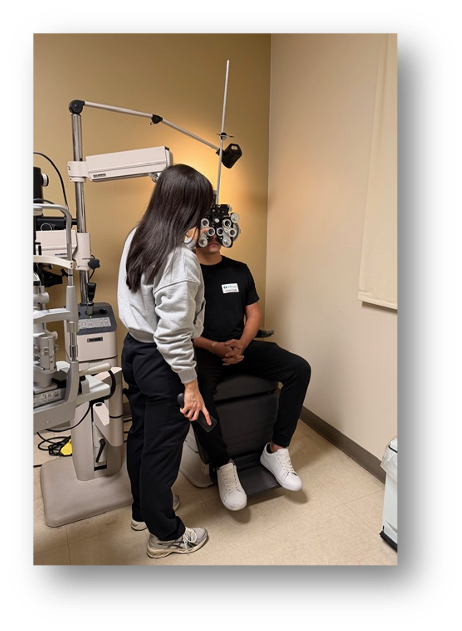
Vision Screening vs. Comprehensive Eye Exam
Vision screening is a short exam performed to check visual acuity; it is not designed to diagnose what is wrong with your eyes. Visual acuity is the clarity or sharpness of your vision.
A comprehensive eye exam is one of the healthiest and easiest ways you can do to take care of your eyes and vision. These exams are vital in diagnosing probable or onset of eye problems. Eye exams offer profound benefits including:
- Identifying potential health risks or health problems
- Establishing an eye health baseline
- Monitoring of eye or vision changes
- Monitoring of prescription glasses
Chiropractic Services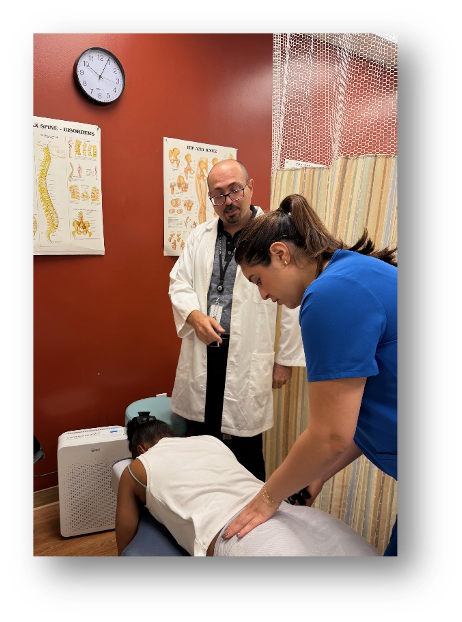
Our clinic offers chiropractic services, which are most commonly recommended when a person experiences musculoskeletal conditions involving the spine and related joints, particularly low back pain, neck pain, and certain types of headaches. Individuals with acute or chronic back pain that is mechanical in nature (pain related to movement or posture), reduced spinal mobility, or discomfort following minor injuries such as strains or whiplash may benefit from an evaluation by a chiropractor. Chiropractic care is generally not recommended as a first-line treatment for systemic diseases, severe neurological deficits, fractures, infections, cancer-related pain, or inflammatory arthritis unless coordinated with medical care.
Acupuncture Services
Acupuncture is recommended most often for people dealing with persistent pain that has not fully responded to conventional treatments or for those seeking non-medication options. It is commonly used for chronic low back pain, knee osteoarthritis, neck and shoulder pain, and recurrent headaches, as well as for symptom control in postoperative recovery and cancer care. Many guidelines position acupuncture as an option to consider after initial conservative care or alongside standard medical treatment, particularly when reducing medication use or avoiding side effects is a priority. It is not intended to replace urgent medical care or disease-specific treatments but rather to complement them.
 Tustin
 (714)247-0300